
When people think about switching from traditional cigarettes to vaping, one of the first questions that comes up is: “Is Snowplus vape safe to use?” Snowplus, a global vaping brand, has gained attention for its sleek devices, smooth nicotine delivery, and wide flavor range. But like all vaping products, its safety depends on what’s inside, how it’s used, and how it compares with smoking.
In this article, we’ll break down the key aspects of Snowplus safety, including product design, ingredients, regulations, and what current science says about vaping.
Understanding Snowplus Vape Products
Snowplus offers both disposable vapes and pod systems.
Disposables are pre-filled, ready to use, and convenient for short-term or travel use.
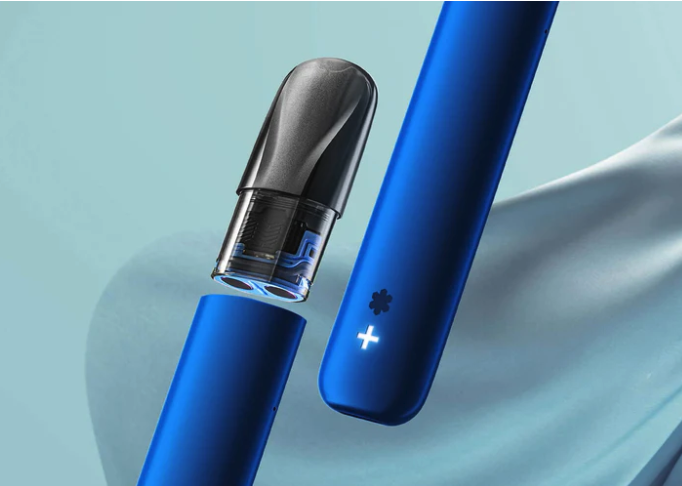
Pod systems are rechargeable and use replaceable pods, giving users more flexibility in flavors and nicotine strengths.
Both are designed to deliver a smoother nicotine experience than traditional cigarettes, often using nicotine salts to reduce throat irritation while maintaining effectiveness.
To assess safety, it helps to look at the components:
E-liquid – Typically a mix of propylene glycol (PG), vegetable glycerin (VG), food-grade flavorings, and nicotine (either freebase or nicotine salts). Studies show that e-liquids can contain fewer harmful chemicals than cigarettes, but still present risks (CDC)
Battery and hardware – Modern vaping devices are usually designed with safety features like short-circuit protection and regulated power output
Coil and heating system – Built for consistent vaporization, but may still release trace metals during heating (NIH study
These features are intended to reduce risks commonly associated with poorly made or counterfeit vaping devices.
Scientific reviews generally support that vaping exposes users to fewer harmful chemicals than smoking. Cigarette smoke contains thousands of toxic compounds, many of which are carcinogenic.
A Johns Hopkins Medicine review notes that vaping may be less harmful, but it is not safe; aerosols can contain harmful chemicals and lung injuries have been reported, especially from unregulated products (Johns Hopkins).
The CDC emphasizes that no tobacco product, including e-cigarettes, is safe. E-cigarette aerosols may contain nicotine, cancer-causing chemicals, and ultrafine particles inhaled deep into the lungs (CDC).
A systematic review covering nearly 1,000 studies found that electronic nicotine delivery systems can emit metals, aldehydes, carcinogens, and DNA-damaging compounds (NIH PMC).
Public Health England once suggested vaping is around 95% less harmful than smoking, but this claim remains debated and controversial (Wikipedia – medical positions).
The evidence shows vaping is less harmful than smoking, but it is not risk-free.
Unlike some unregulated products, major vaping brands must meet regulatory requirements in many countries:
The FDA requires premarket tobacco product applications (PMTAs) for e-cigarettes in the U.S., which involves safety testing (FDA).
The World Health Organization (WHO) cautions that while e-cigarettes may expose users to fewer toxicants than cigarettes, they are still harmful, addictive, and should be regulated to protect youth and non-smokers
The American Cancer Society warns that dual use of e-cigarettes and cigarettes may increase health risks and encourages proven cessation methods instead (American Cancer Society).
Even with a reputable product, safety also depends on the user:
Proper usage – Avoid tampering with pods or refilling disposables. The CDC warns against modifying devices or using informal e-liquids
Storage – Keep away from extreme heat or direct sunlight.
Nicotine strength – Nicotine is highly addictive and harmful to adolescent brain development (CDC
Legal compliance – Many regions regulate or restrict nicotine products. Always check local laws.
So, Is Snowplus Vape Safe to Use?
Short answer: Snowplus, like other regulated vaping brands, is generally considered safer than smoking traditional cigarettes, but it is not completely risk-free.
If you are a smoker looking for a less harmful alternative, regulated vaping products may be a step down in harm.
If you are not already a nicotine user, starting to vape is not recommended—especially for youth, pregnant women, and non-smokers (WHO).
Snowplus vapes—and vaping in general—offer a less harmful option compared to smoking, thanks to modern design, nicotine salts, and safety features. But they are less harmful, not harmless.
Safety depends not only on the brand but also on user behavior, nicotine choices, and purchasing from regulated, trusted sources.
Before switching, it’s best to weigh the benefits and risks, stay updated on regulations, and consider


